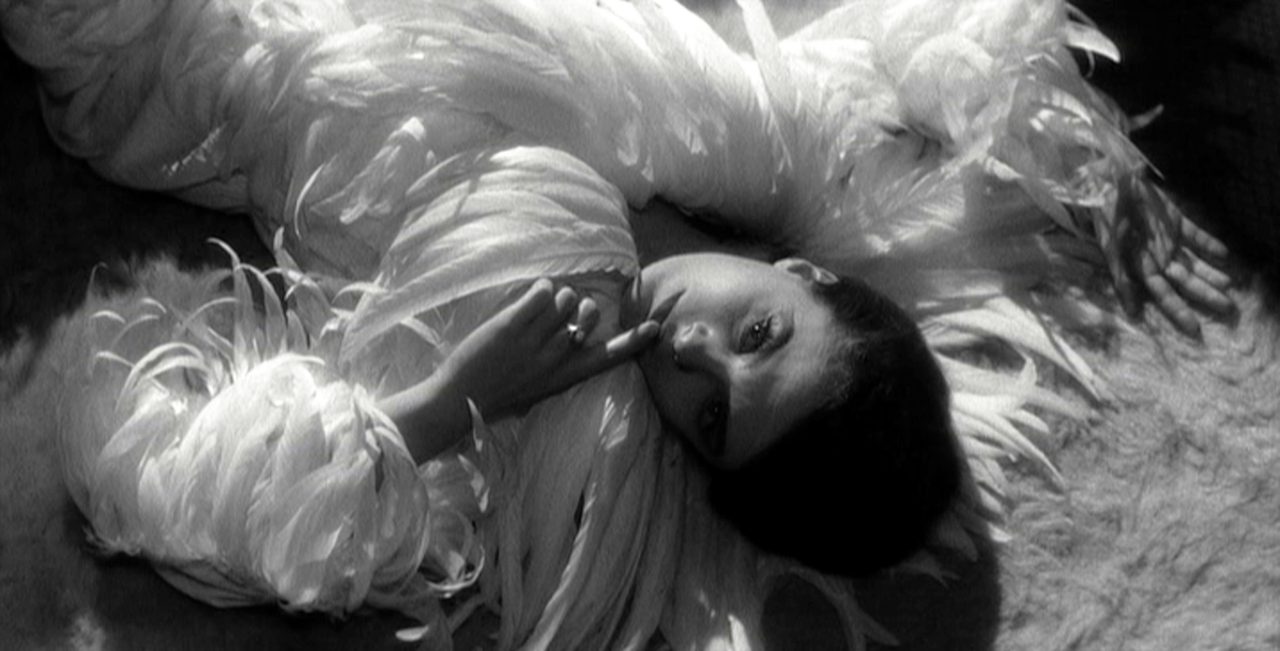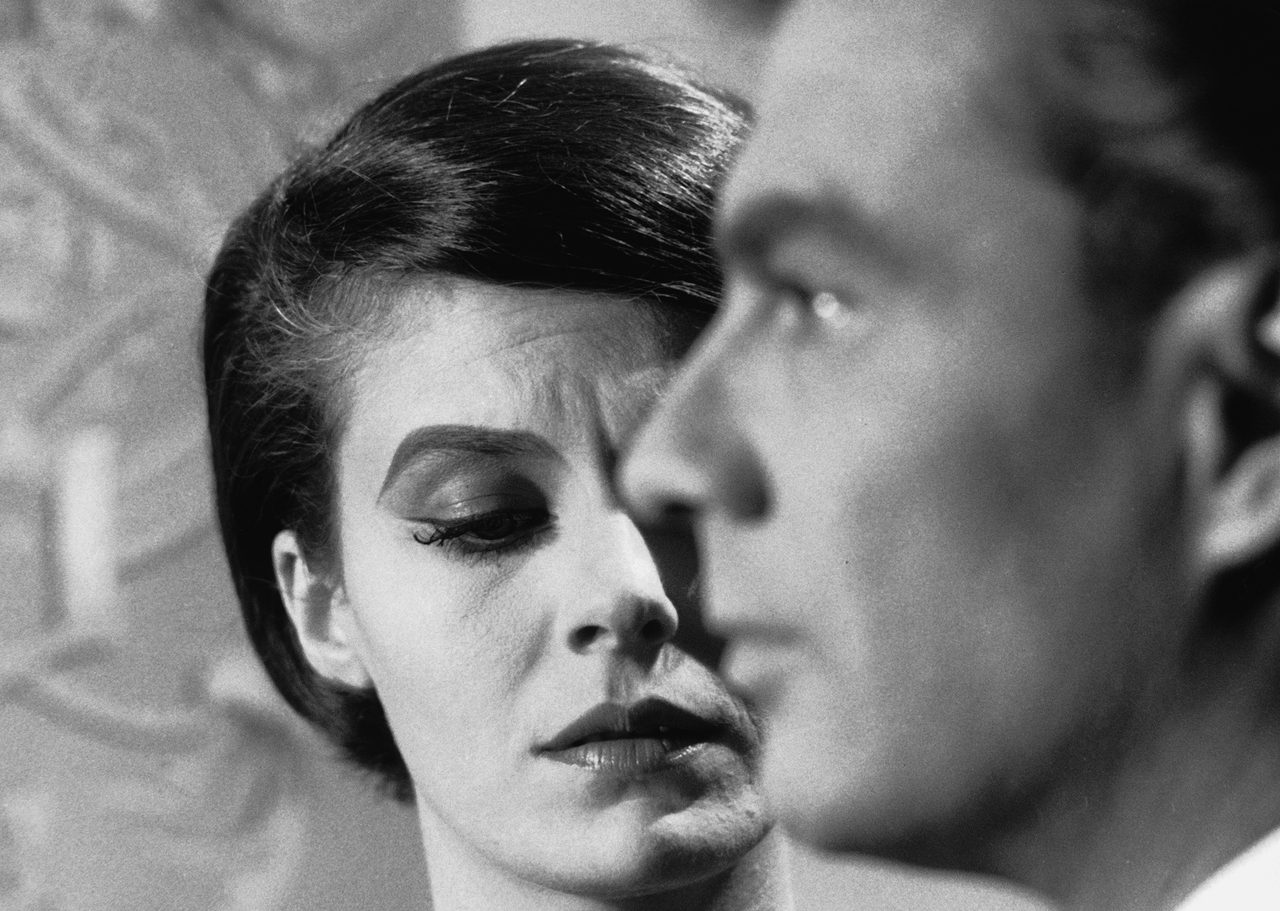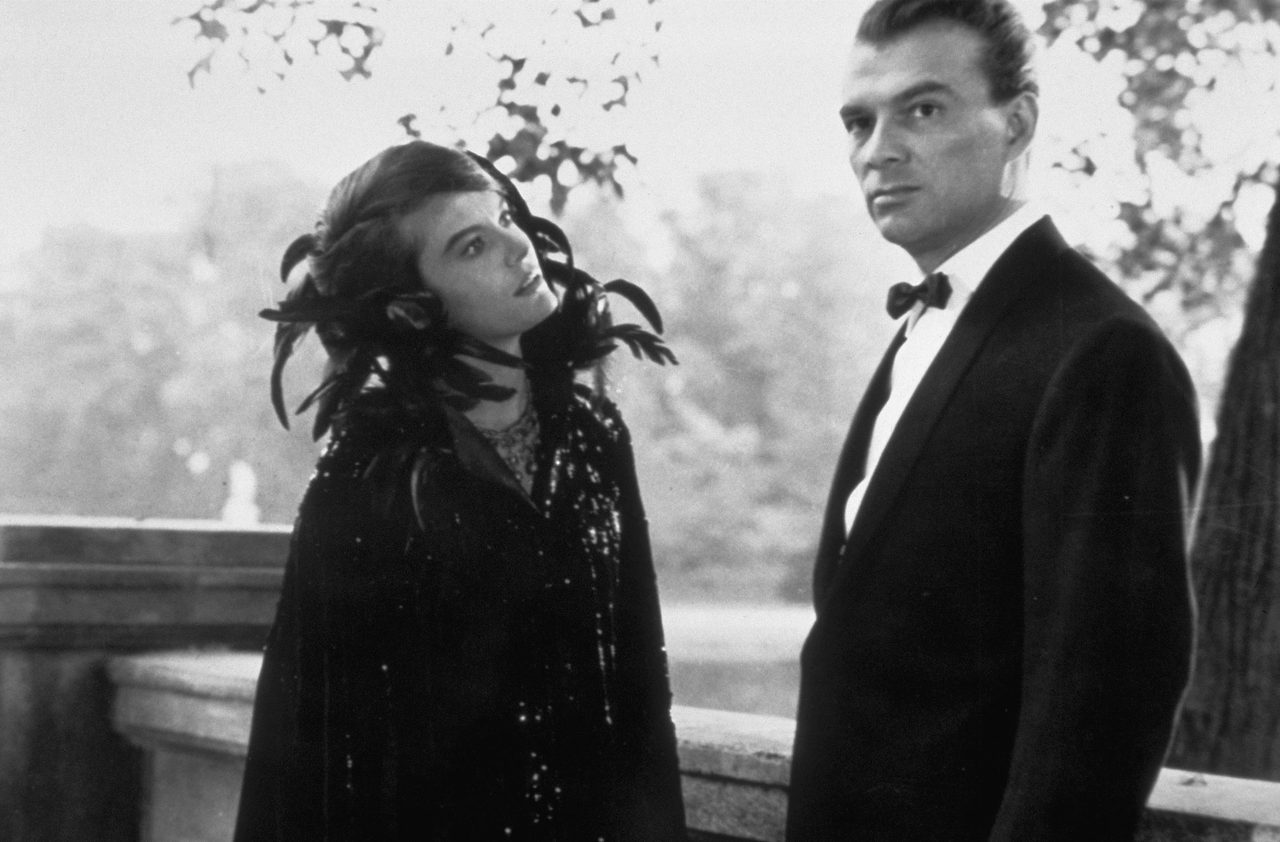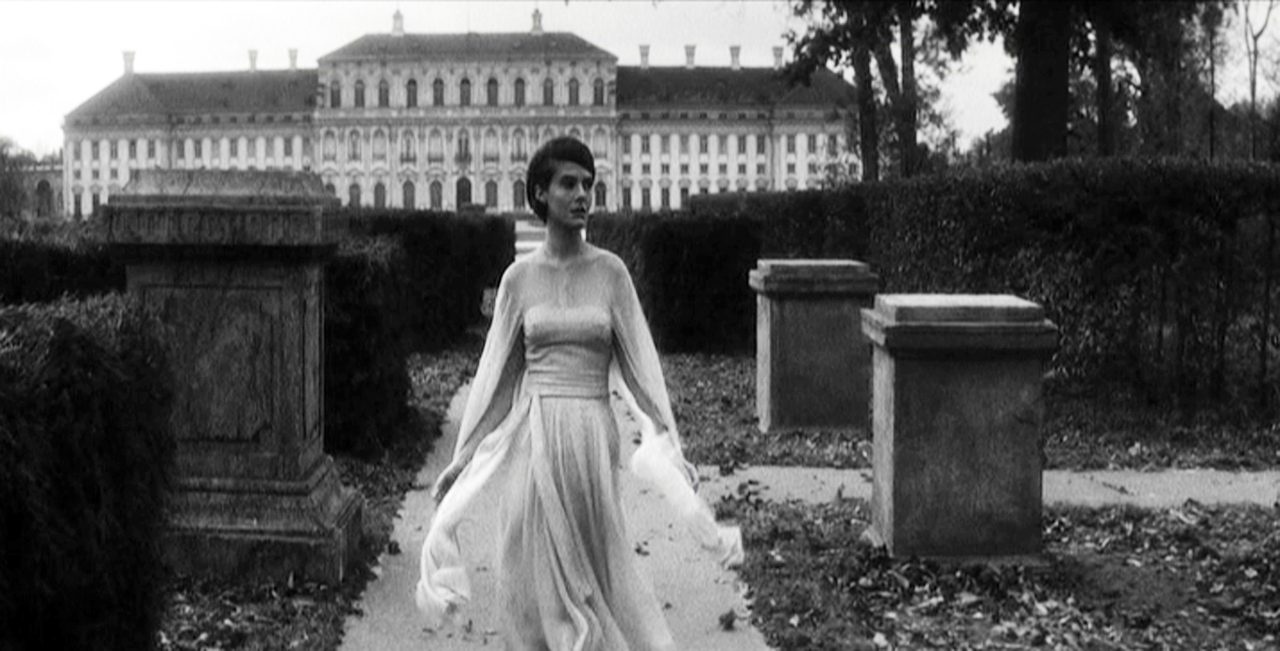
Last Year at Marienbad (1961) on Netflix
Since man first became aware of time with the passing of the seasons, the nature of time has been challenging philosophers and scientists alike.
- Netflix3.2/5
- IMDb7.6/1027,324 votes
- Rotten Tomatoes93%
Trailer

Plot summary
Since man first became aware of time with the passing of the seasons, the nature of time has been challenging philosophers and scientists alike. Starting with the "flux doctrine" of "Heraclitus," according to which everything is constantly altering ("You cannot step twice in the same river"), to Henry Bergson, who was one of the first philosophers to incorporate cinema into a philosophical discourse, philosophers have wrestled with the concepts of time and memory. In literature, Marcel Proust of course comes to mind with his huge novel "Remembrance of Things Past," and on the scientific side, Albert Einstein with his "Theory of General Relativity." Einstein posited that time is simply another dimension, which with space forms a four-dimensional space-time continuum (that was until recently, when seven more dimensions were added with the M-theory, the "theory of everything").
Stephen Hawking distinguishes three different "arrows of time": thermodynamic, cosmological, and psychological ("A Brief History of Time," 1988). Although all of these three time arrows enter in our daily lives to a greater or lesser extent, we are here only concerned with the psychological arrow of time.
Cast
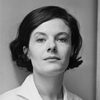
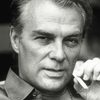
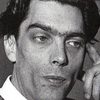

- Luce Garcia-Villeas Un personnage de l'hôtel
- Héléna Kornelas Un personnage de l'hôtel

- Karin Toche-Mittleras A Character from the Hotel
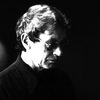
- Wilhelm von Deekas Un personnage de l'hôtel
- Gérard Lorinas Un personnage de l'hôtel


Did you know?!Facts and trivia about Last Year at Marienbad (1961)
Can contain spoilers, watch the movie first.
- The film was refused entry to the Cannes Film Festival, reportedly because director Alain Resnais had signed Jean-Paul Sartre's Manifesto of the 121 against the Algerian War, but it won the Golden Lion at the 22nd Venice International Film Festival in 1961.
- Writer Alain Robbe-Grillet's screenplay specified camera placement and editing as well as dialogue and décor, and Alain Resnais filmed it with great fidelity. Robbe-Grillet, who was not present during the shooting, saw the rough cut and found the film just as he had intended it.
- Resnais wanted the look of silent cinema and asked Eastman Kodak for an old-fashioned film stock that would "bloom" or "halo", but the company could not supply one.
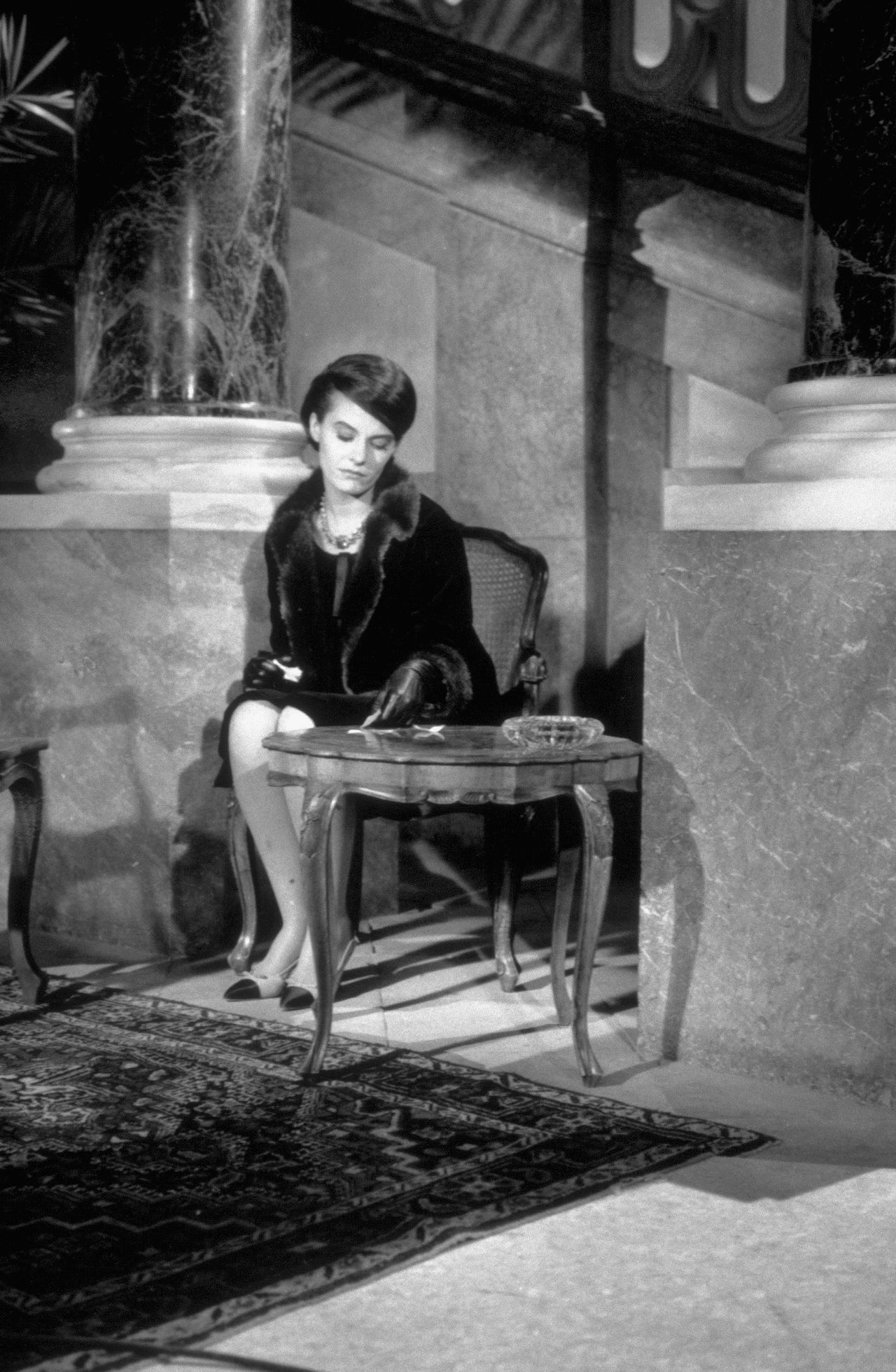
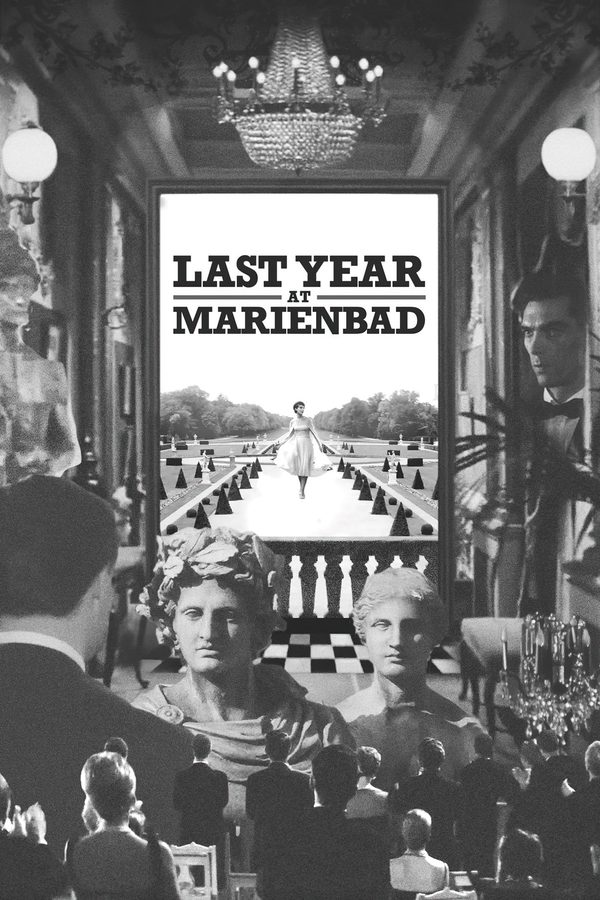
- A tableau in the film shows figures in a geometric garden with long dramatic shadows that were painted on the ground, while the trees behind them cast no shadows because they were not real trees but constructions.
- Robbe-Grillet's screenplay explicitly describes a rape in a scene near the end of the film, but Alain Resnais replaced it with a series of repeated overexposed tracking shots moving towards the smiling woman.
- Karl Lagerfeld made Marienbad the main inspiration for Chanel's spring–summer 2011 collection, which featured a fountain and a modern replica of the film's garden; Virginie Viard reused the idea for Chanel's 2023 collection.
- Terence Young styled the pre-credits sequence of the James Bond film From Russia with Love after Marienbad, and Stanley Kubrick's The Shining and David Lynch's Inland Empire are often cited as showing its influence. Peter Greenaway said it was the most important influence on his filmmaking.
- Though the film is named Marienbad, no filming was done in Mariánské Lázně; most interiors and gardens were shot at the Munich palaces of Schleissheim and Nymphenburg, including the Amalienburg hunting lodge, and the Antiquarium of the Munich Residenz.