Trailer
Plot summary
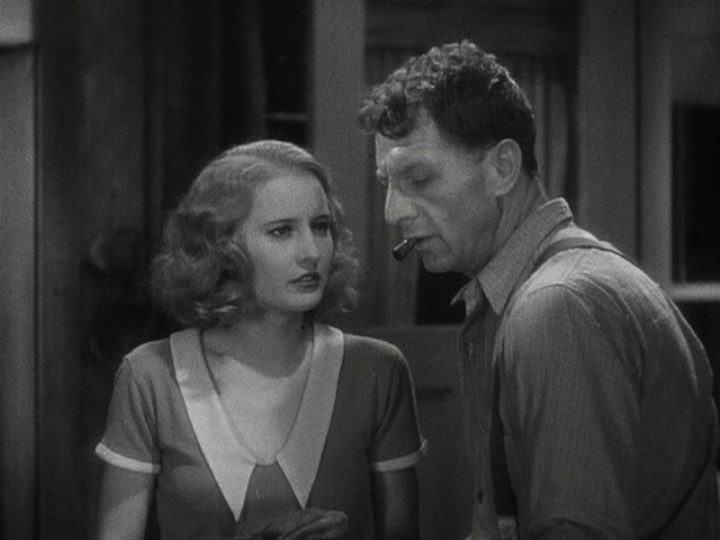
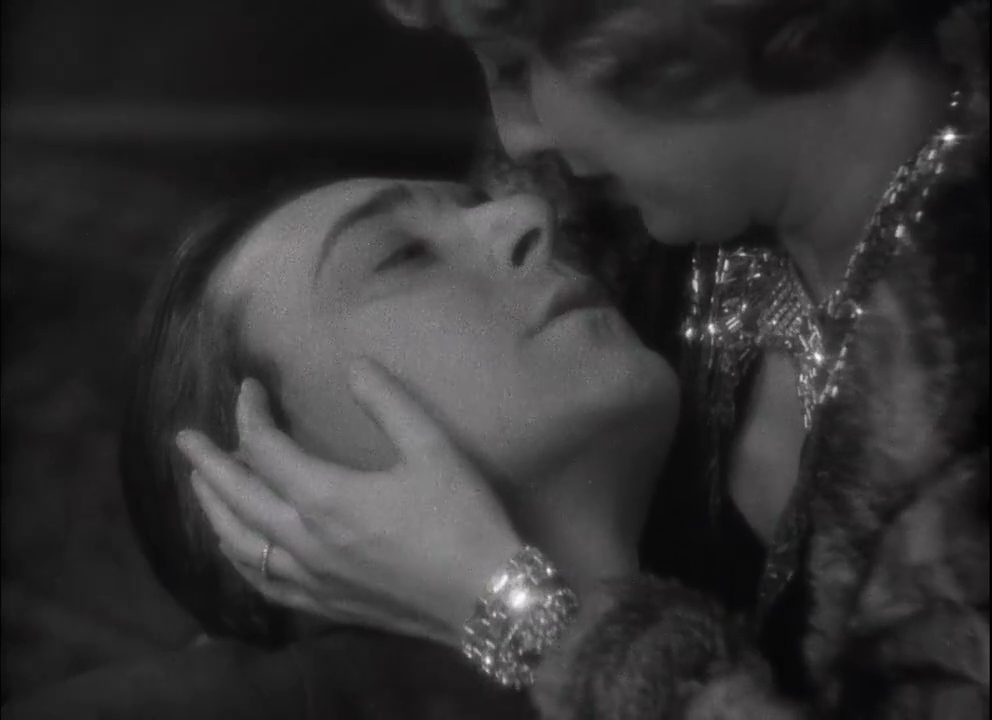
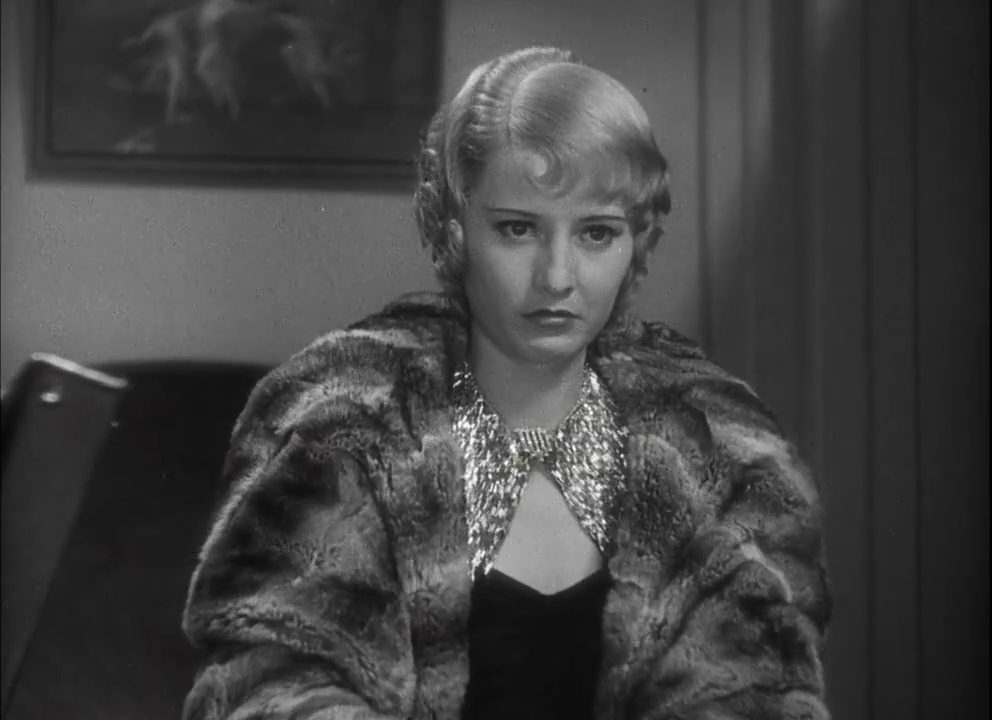
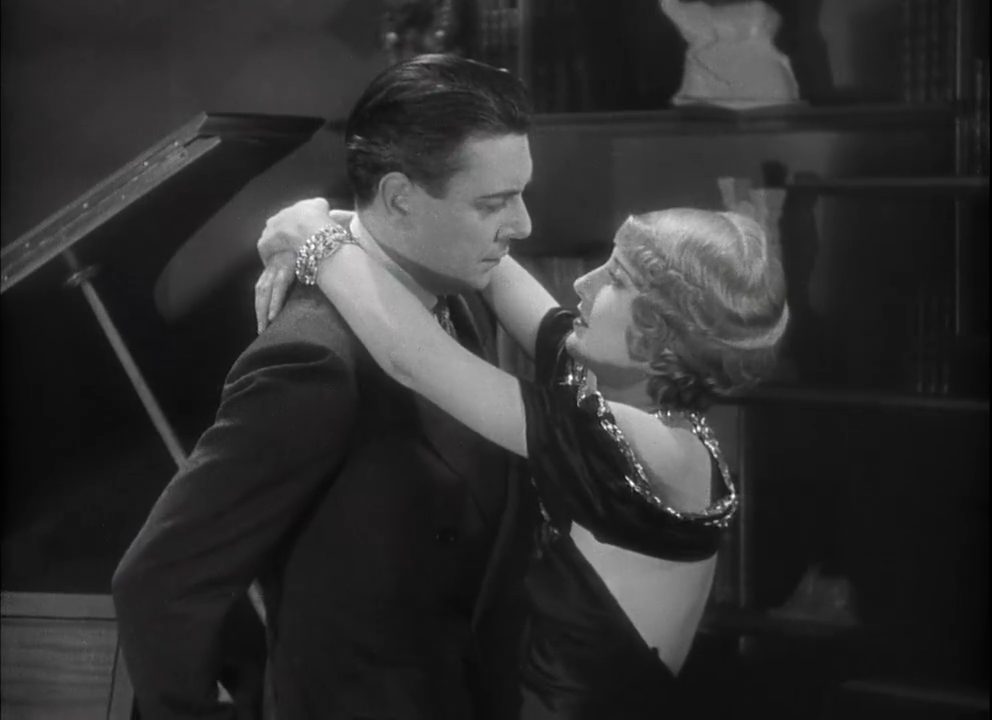
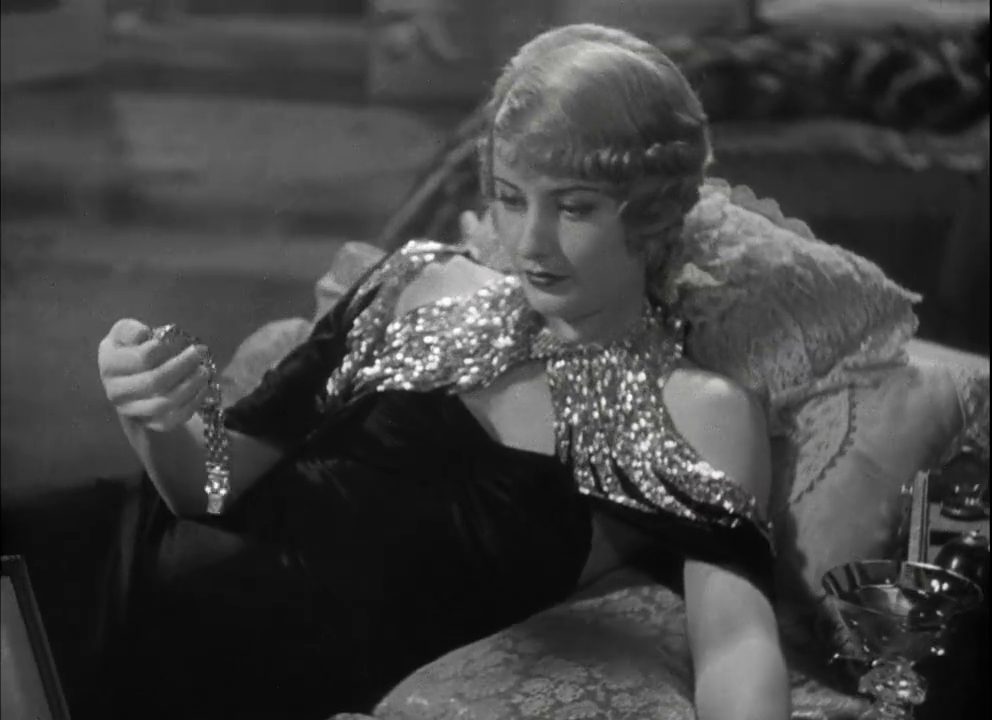
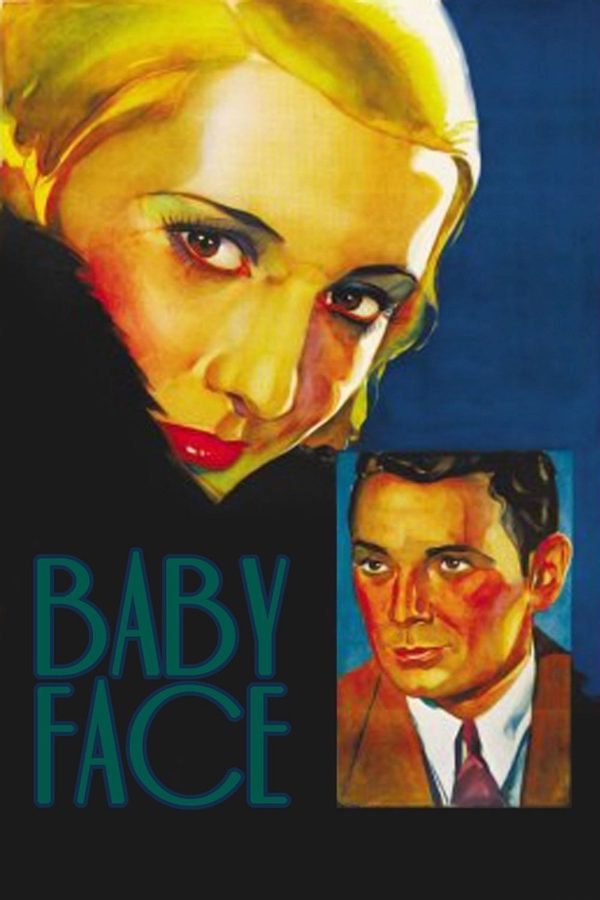
In Prohibition-era Erie, Pennsylvania, Lily Powers serves drinks in her father Nick's speakeasy, and his customers have had her since she was fourteen. Nick is killed when his still explodes, and after the funeral an old friend, the cobbler Adolf Cragg, tells Lily that she has power over men and should use them rather than let them use her, and urges her to go to a big city. Lily and her friend Chico ride a freight train to New York City, and Lily takes a clerical job at Gotham Trust, a bank. She begins an affair with Jimmy McCoy Jr. of the filing department, who recommends her for a promotion to his boss, Brody.
Cast








Did you know?!Facts and trivia about Baby Face (1933)
Can contain spoilers, watch the movie first.
- Production head Darryl F. Zanuck wrote the treatment and sold it to Warner Bros. for a dollar, though he was already earning $3,500 a week and did not need the money; other studio staff were taking Depression-era pay cuts.
- After its limited release, the Hays Office recommended Baby Face be pulled from distribution entirely for multiple Production Code violations, and Zanuck and Jack L. Warner negotiated with the Association of Motion Picture Producers about changes to satisfy state and city censors.
- The uncensored version was considered lost until 2004, when it resurfaced in a Library of Congress film vault in Dayton, Ohio; George Willeman is credited with the discovery, and the restored version premiered at the London Film Festival in November 2004.
- Barbara Stanwyck had influence on the script: it was her suggestion that Lily Powers had been forced by her father to have sex with the customers of his speakeasy.
- Baby Face's open discussion of sex made it one of the most notorious films of the Pre-Code Hollywood era and helped bring that era to a close: from 1934, enforcement of the code became stricter.
- Baby Face's main censorship change replaced the ending with one in which Lily loses everything and returns to her home town, content with a modest life, showing audiences that her sexual vices were not rewarded.