The Adventures of Priscilla, Queen of the Desert (1994) on Netflix
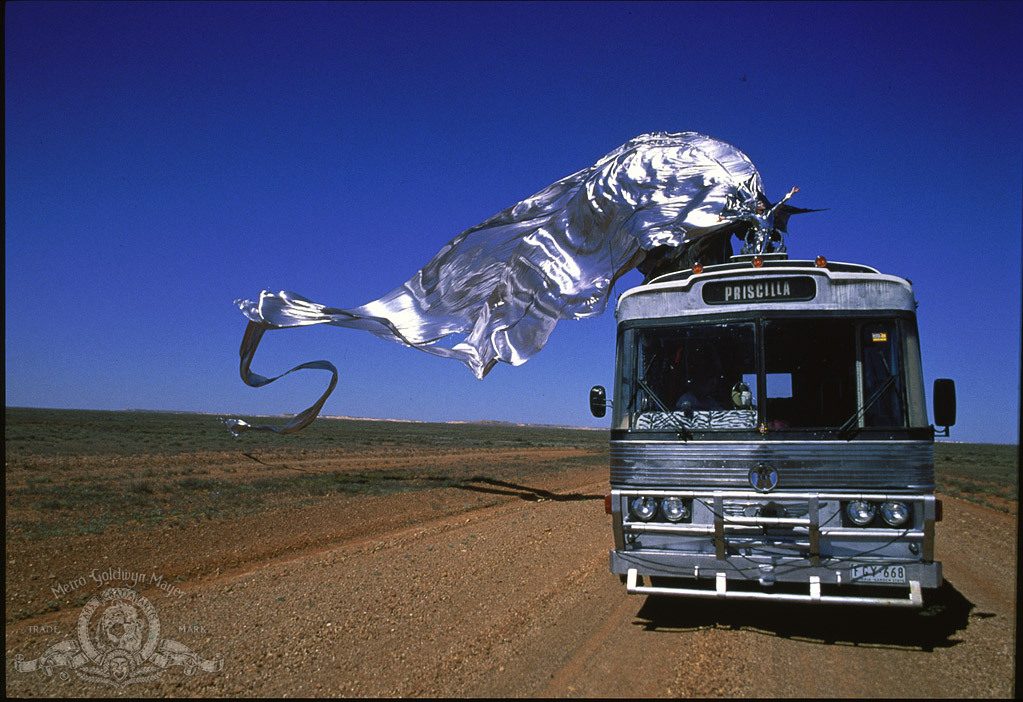
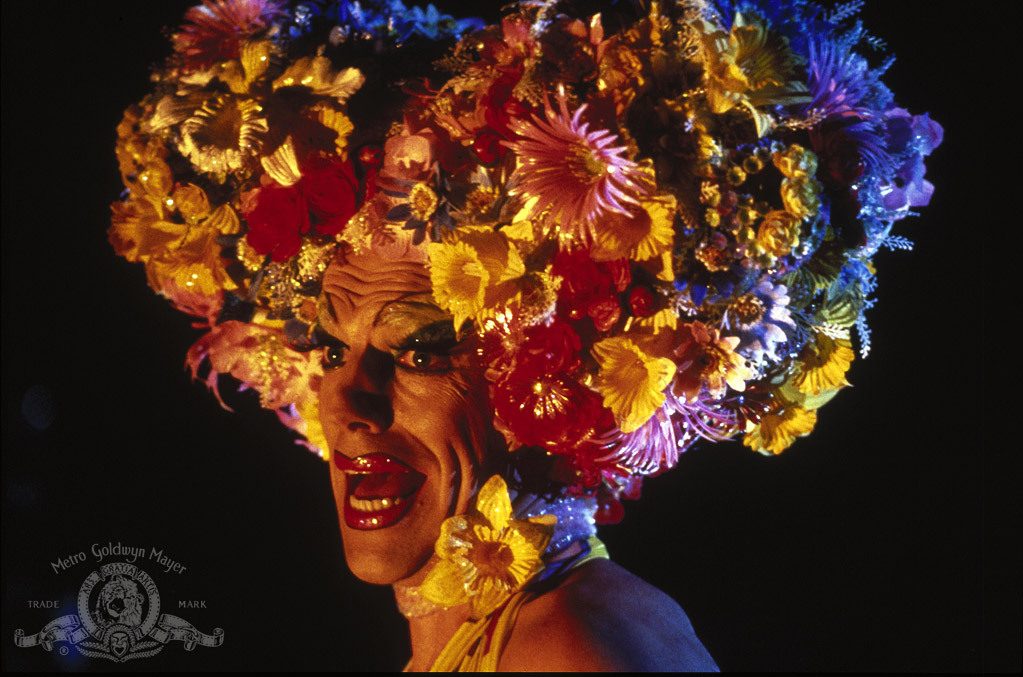
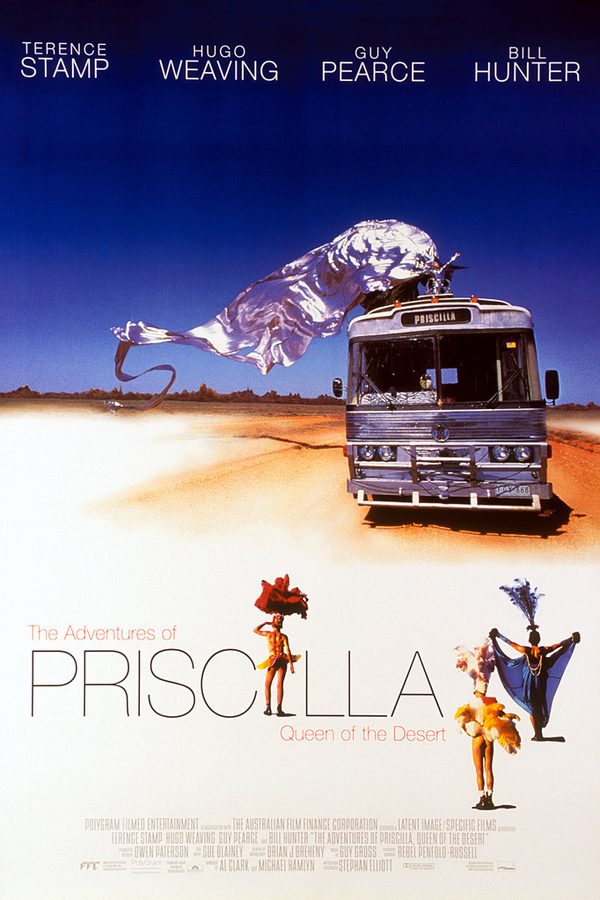
Tick, a Sydney drag queen known as Mitzi, is hired to perform in Alice Springs. Adam, who performs as Felicia, and Bernadette join him in a bus named Priscilla.
- Netflix3.4/5
- IMDb7.5/1062,589 votes
- Rotten Tomatoes94%
Trailer

Plot summary
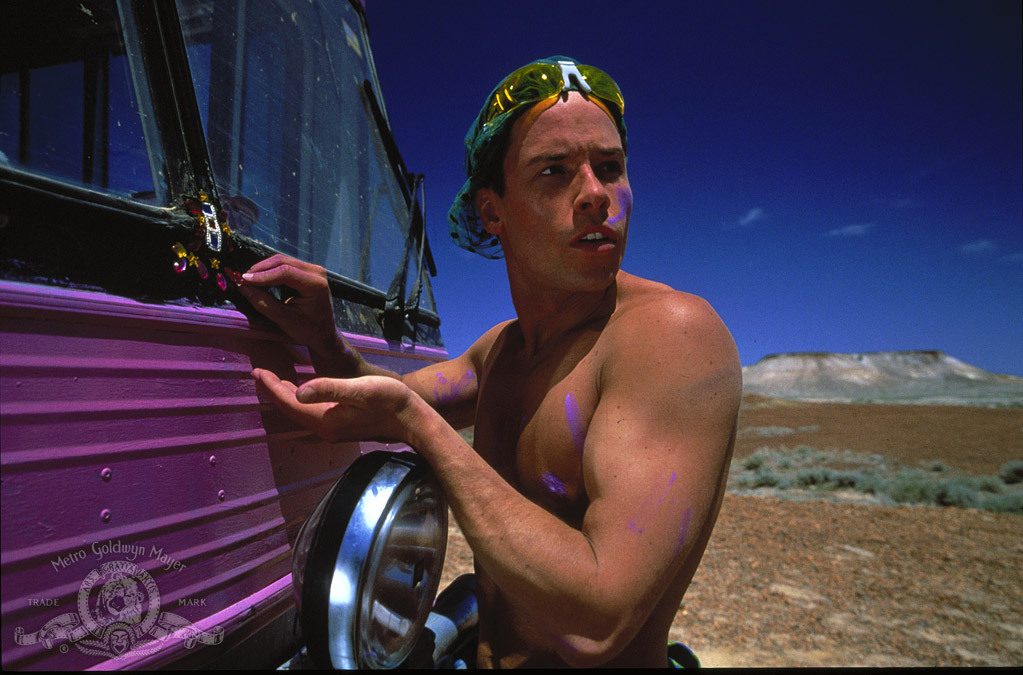
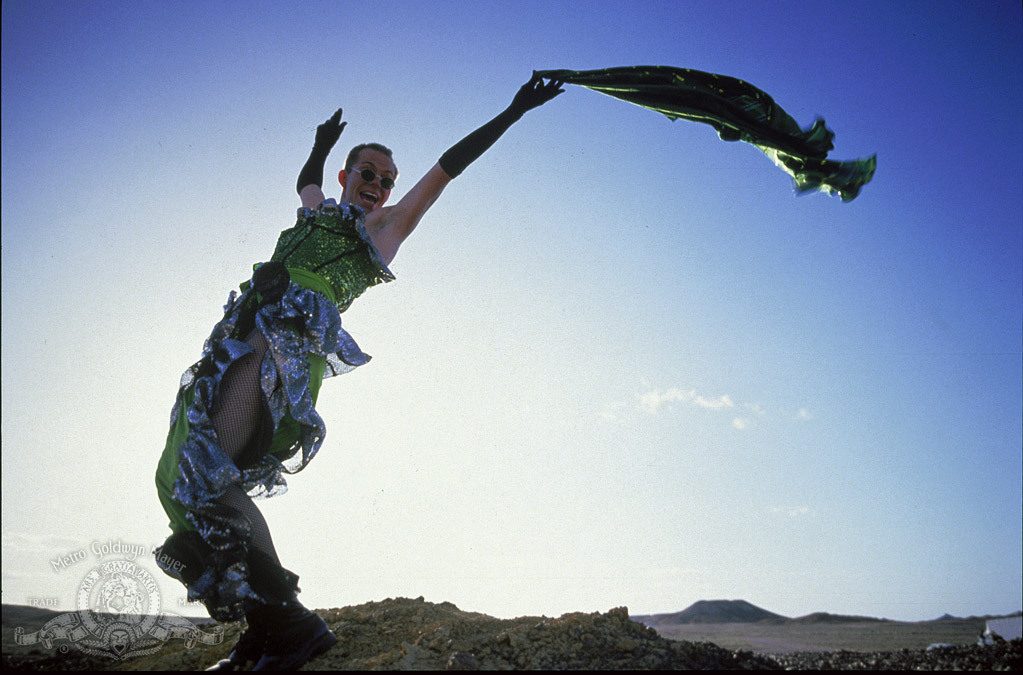
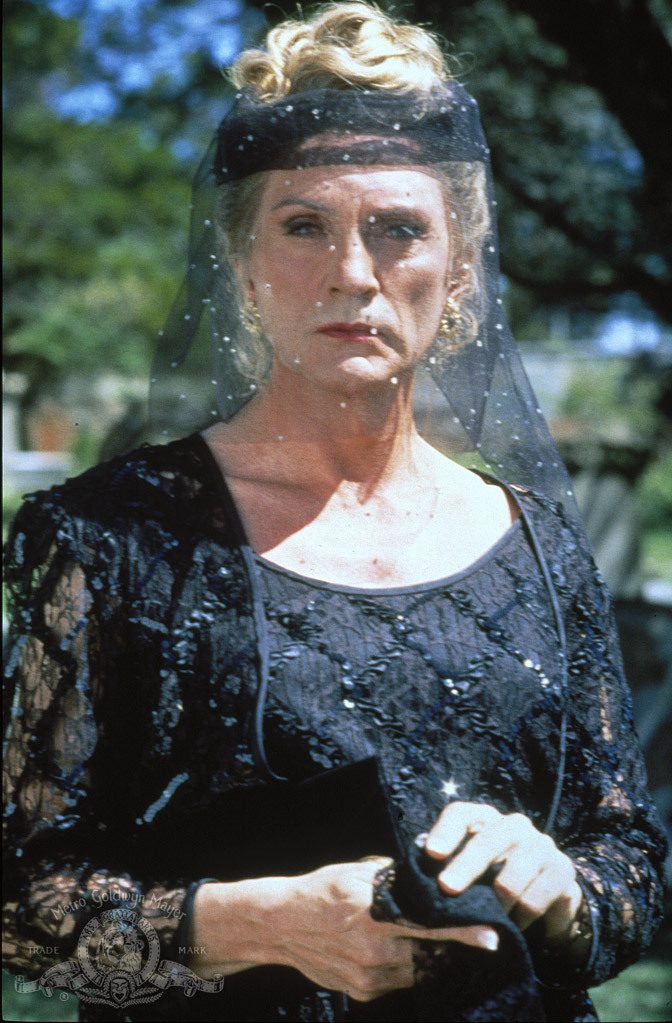
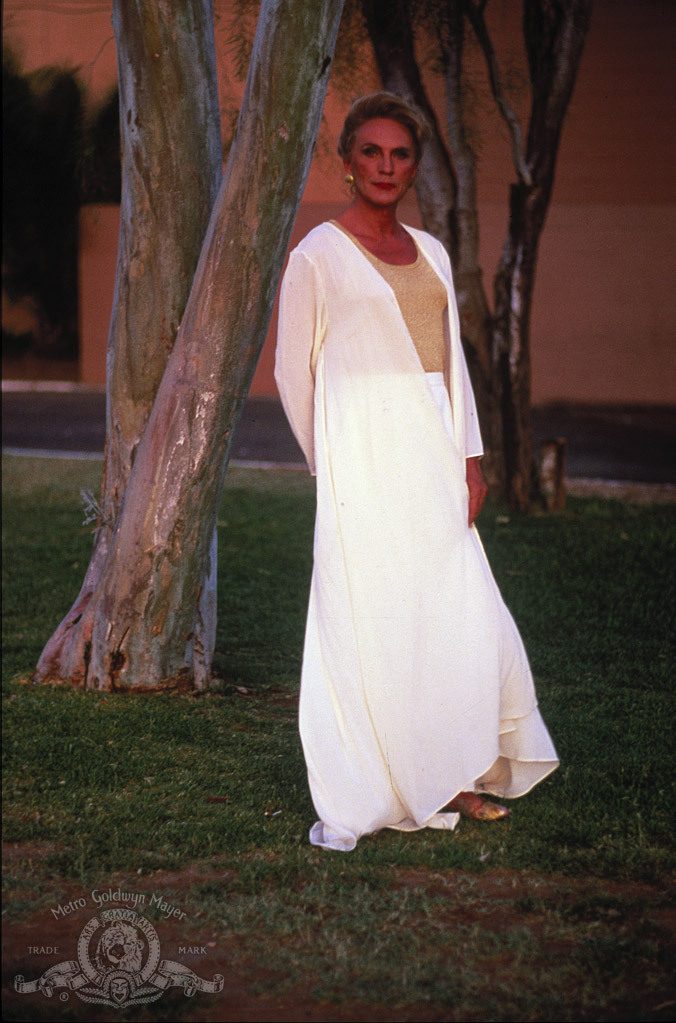
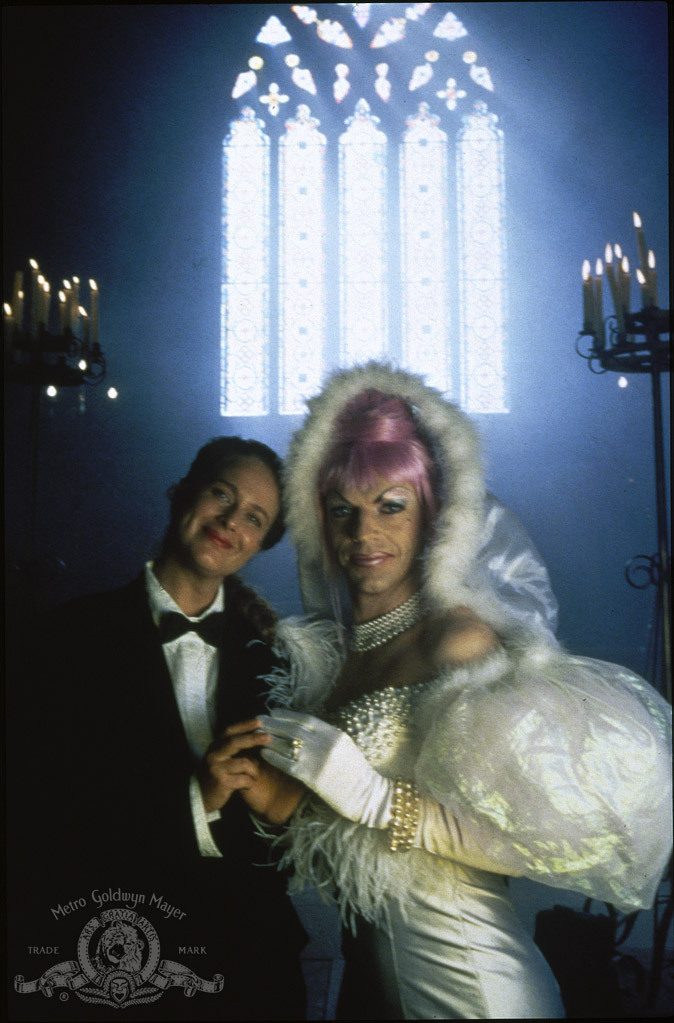
A booking for a four-week run at a resort in Alice Springs leads Tick, a Sydney drag queen who performs as Mitzi, to ask two other performers to come along. They are Adam, a flamboyant younger drag queen who goes by Felicia, and Bernadette, a transgender woman whose much younger husband has just died. Tick believes the trip will distract Bernadette. Adam buys a highway coach and names it Priscilla, and the three drive across the outback toward the resort. The group is not a cohesive one, and Adam's loud manner wears on the others, though he was asked along because Felicia adds something to the stage. In the outback towns along the route they meet homophobic and transphobic abuse and violence, and their bus is vandalized with graffiti.
Cast


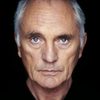


- June Marie Bennettas Shirley
- Rebel Penfold-Russellas Logowoman (as Rebel Russell)
- John Caseyas Bartender
- Murray Daviesas Miner
- Frank Corneliusas Piano Player
- Bob Boyceas Petrol Station Attendant
- Leighton Pickenas Young Adam


Did you know?!Facts and trivia about The Adventures of Priscilla, Queen of the Desert (1994)
Can contain spoilers, watch the movie first.
- The story was based on three real drag queens, Cindy Pastel, Strykermeyer and Lady Bump, who were originally meant to play themselves, but once the film attracted a bigger budget producers replaced them with straight, more bankable actors.
- Elliot revealed in September 2025 that, with the blessing of the cast and financiers, Stamp spent the final months of his life pre-filming all of his scenes with "a nine-camera array of the entire script".
- Funding rules meant only one non-Australian actor could appear in the film, and producer Al Clark had briefly considered David Bowie, whom he had known since the 1980s, or John Hurt before neither became available.
- The filmmakers were denied permission to shoot atop Uluru by the Uluru Board of Management for religious reasons, so the film's climactic climb scene was relocated to Kings Canyon instead.
- The film won the Academy Award for Best Costume Design, making it one of only three films ever to win that award for a story set in contemporary times.