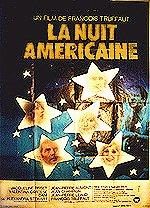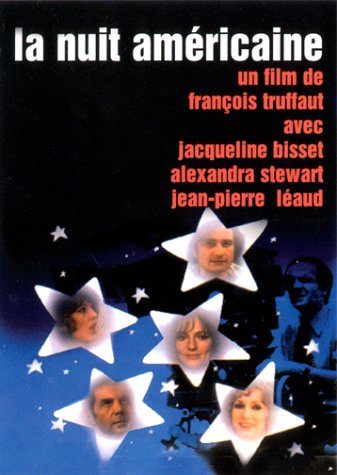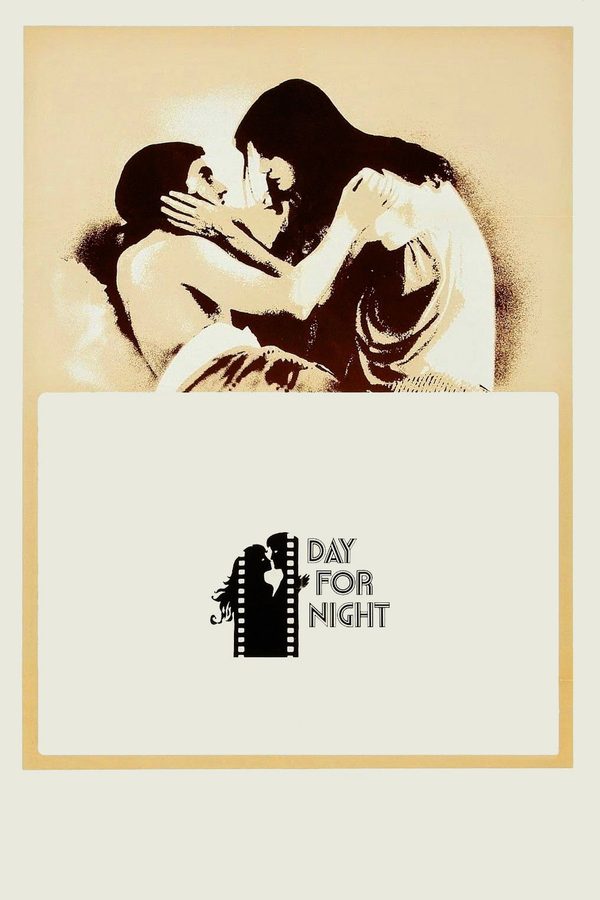
Trailer

Plot summary
Bertrand, the producer, and Ferrand, the director, are shooting Je vous présente Paméla, in which a Frenchman brings his English wife Pamela home to meet his parents and she and his father fall in love. Playing Pamela is Julie Baker, an actress from Britain who has had a nervous breakdown and whose marriage to a doctor many years her senior stirred up controversy. The cast and crew lodge in Nice at the Hotel Atlantic, and Ferrand and Bertrand contend with their stars: the aging Séverine, whose drinking damages her performances; Alphonse, who is immature and needy; and Julie, who is emotionally unsteady.
Cast




- David Markhamas Doctor Nelson


Show all 20 cast

- Gaston Jolyas Lajoie, le régisseur
- Zénaïde Rossias Madame Lajoie
- Marc Boyleas English Stuntman
- Walter Balas Walter, the Camera Operator


Did you know?!Facts and trivia about Day for Night (1973)
Can contain spoilers, watch the movie first.
- Jean-Luc Godard walked out of Day for Night in disgust and accused François Truffaut of making a film that was a "lie"; Truffaut answered with a long critical letter, and the two former friends never met again.
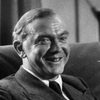
- The author Graham Greene took a cameo in Day for Night as an insurance company representative, billed as "Henry Graham", because he admired François Truffaut and had long wanted to meet him; Truffaut, an admirer of Greene's work, was disappointed not to have been told until later who had played the part.
- Day for Night was shot mainly in Nice on an enormous set for a Paris street that an American company had originally built and that had already served for Lady L (1965) and The Madwoman of Chaillot (1969).
- The French title La Nuit américaine is the French name for shooting daylight scenes through a filter, or on tungsten-balanced underexposed stock, so they look like night; Truffaut has the technique described in the film's dialogue, and in English it is called day for night.