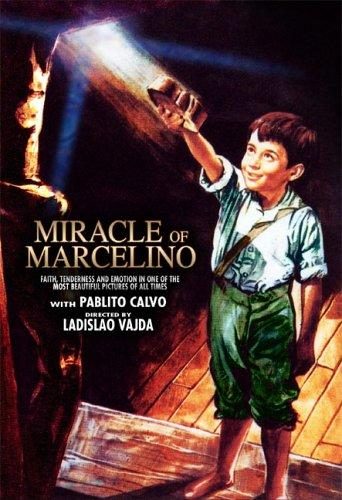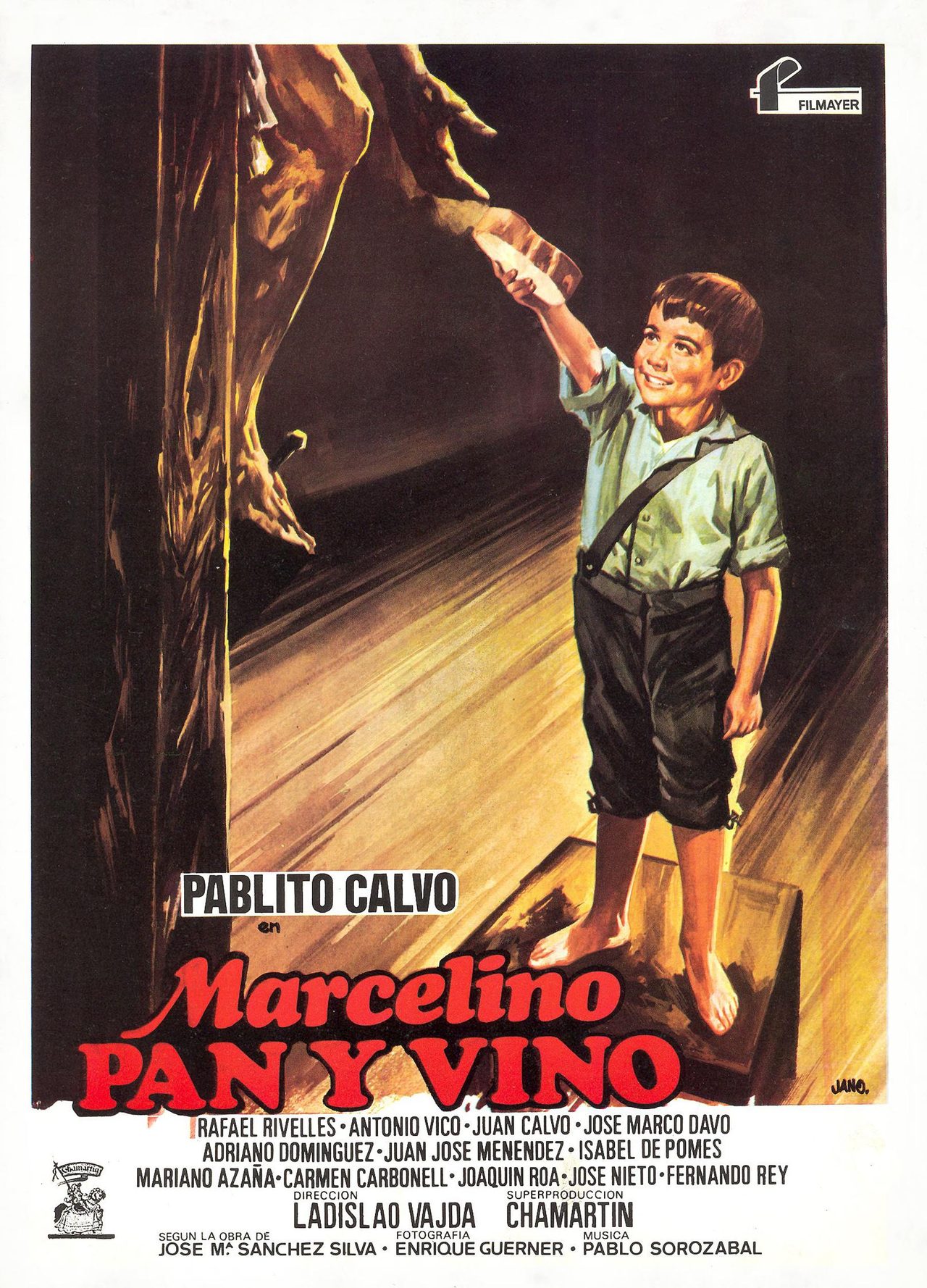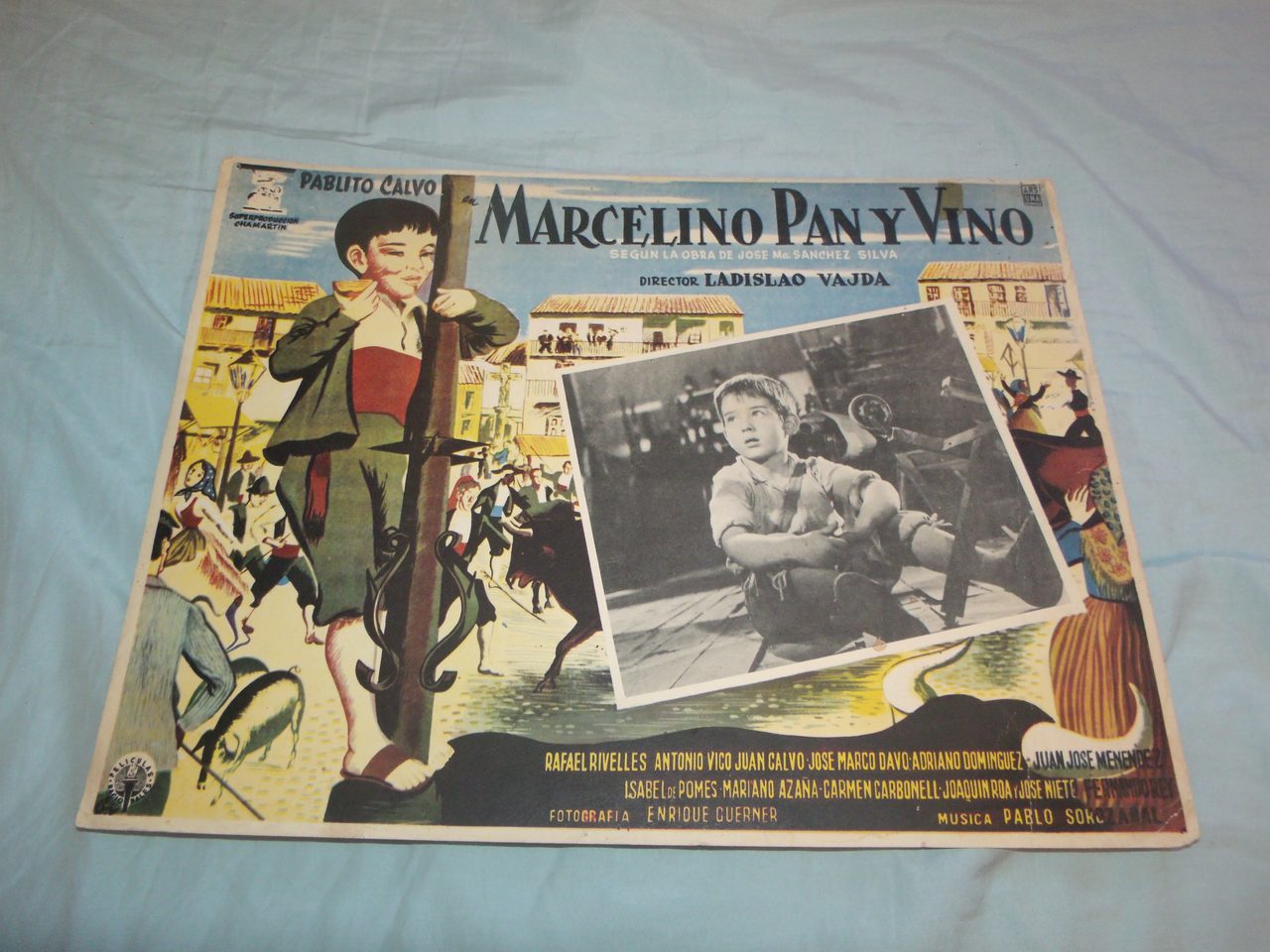
The Miracle of Marcelino (1955) on Netflix
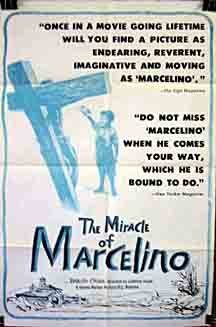
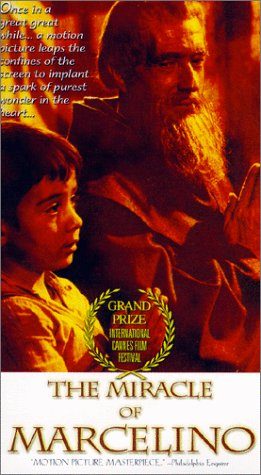
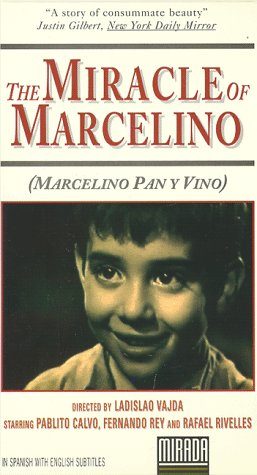
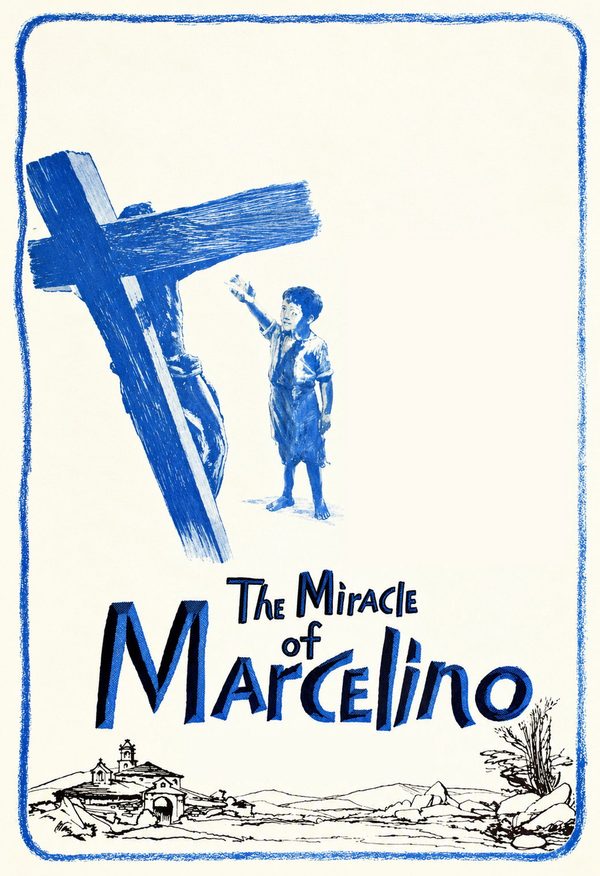
Left at a monastery as an infant in nineteenth-century Spain, Marcelino is raised by the monks but misses having a mother. Warned to stay out of the attic, he goes up anyway.
- Netflix3.6/5
- IMDb7.2/103,251 votes
- Rotten TomatoesNot available
Trailer

Plot summary
Marcelino is left as a baby at a Spanish monastery, and the monks bring him up. He becomes a rowdy boy, and he is lonely because he has no mother. The monks tell him he must never go up to the attic, where they say a very big man lives who would take him away. He climbs the stairs anyway, sees the man and runs back down. At a village festival he knocks over a pile of fruit and sets animals loose. The new mayor, the village blacksmith, had been refused when he asked to adopt the boy, and he uses the damage as grounds to try to shut the monastery down. The monks give Marcelino the silent treatment, and he dares to go up to the attic again.
Cast









- Matilde F. Vilariñoas Marcelino (voice) (uncredited)




Did you know?!Facts and trivia about The Miracle of Marcelino (1955)
Can contain spoilers, watch the movie first.
- Antonio Simont's sculpture of Christ in the film now stands on the altar of the Chapel of St. Teresa in the Convent of the Carmelites of Don Benito, Badajoz. It went there at the wish of the film's sound engineer, Miguel López Cabrera, whose sister was a nun there.
- Miracle of Marcelino, a critical and commercial success in Spain, was one of the first Spanish films to become successful in the U.S.A.
- The story of Marcelino, revised and modernised for the novel and the film, is often claimed to date back to a medieval legend, one of many gathered together in a volume by Alfonso el Sabio.