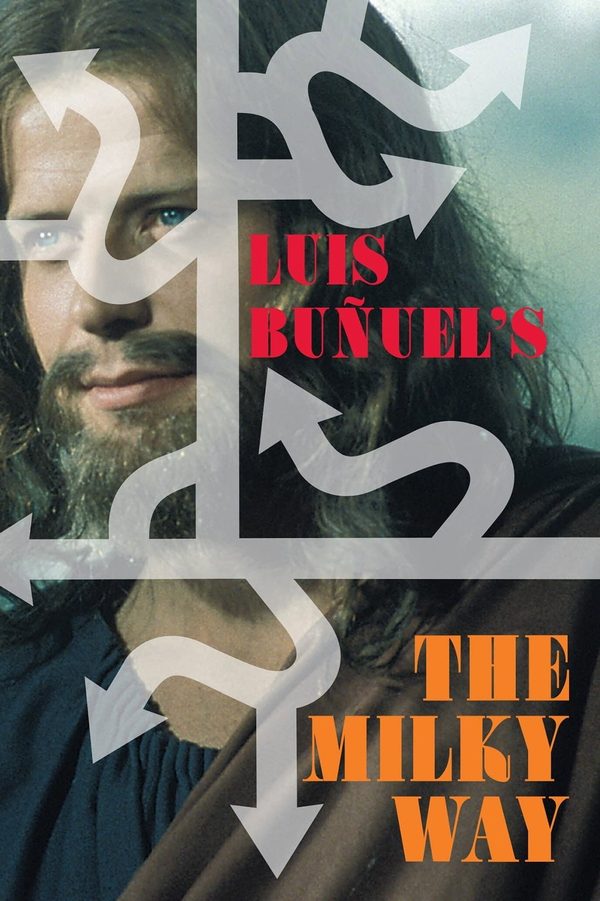
The Milky Way (1969) on Netflix
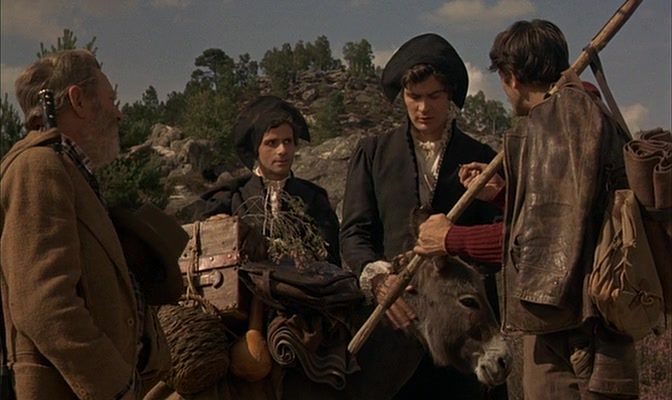
Two vagabonds, Pierre and Jean, set out from Paris on the pilgrimage route to Santiago de Compostela, begging rides and food along a road where figures from Christian history keep appearing.
- Netflix3.3/5
- IMDb7.3/108,638 votes
- Rotten Tomatoes95%
Plot summary
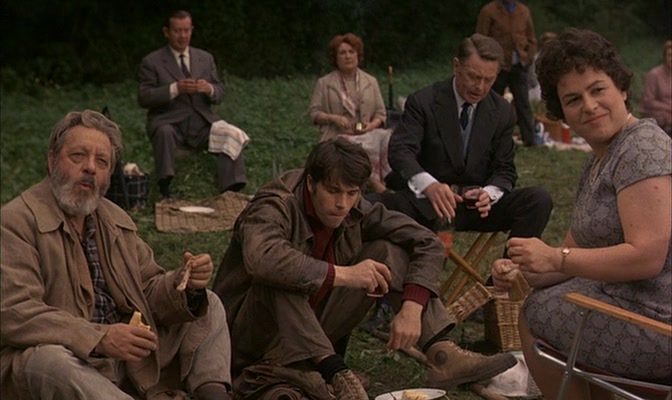
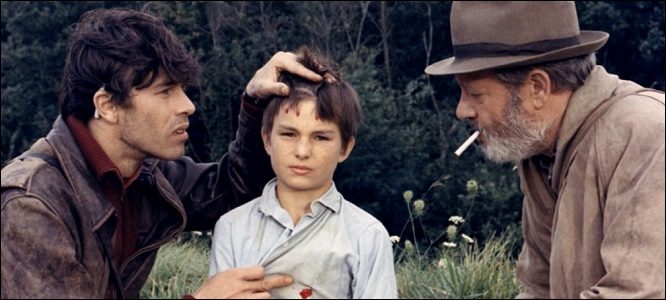
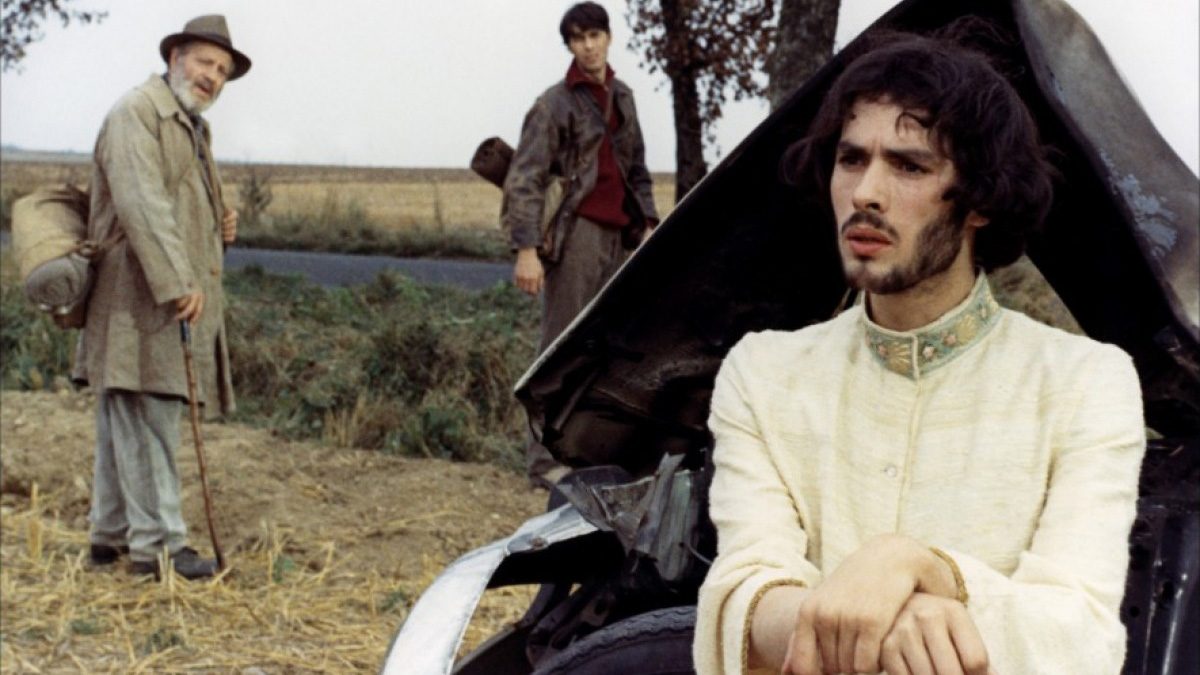
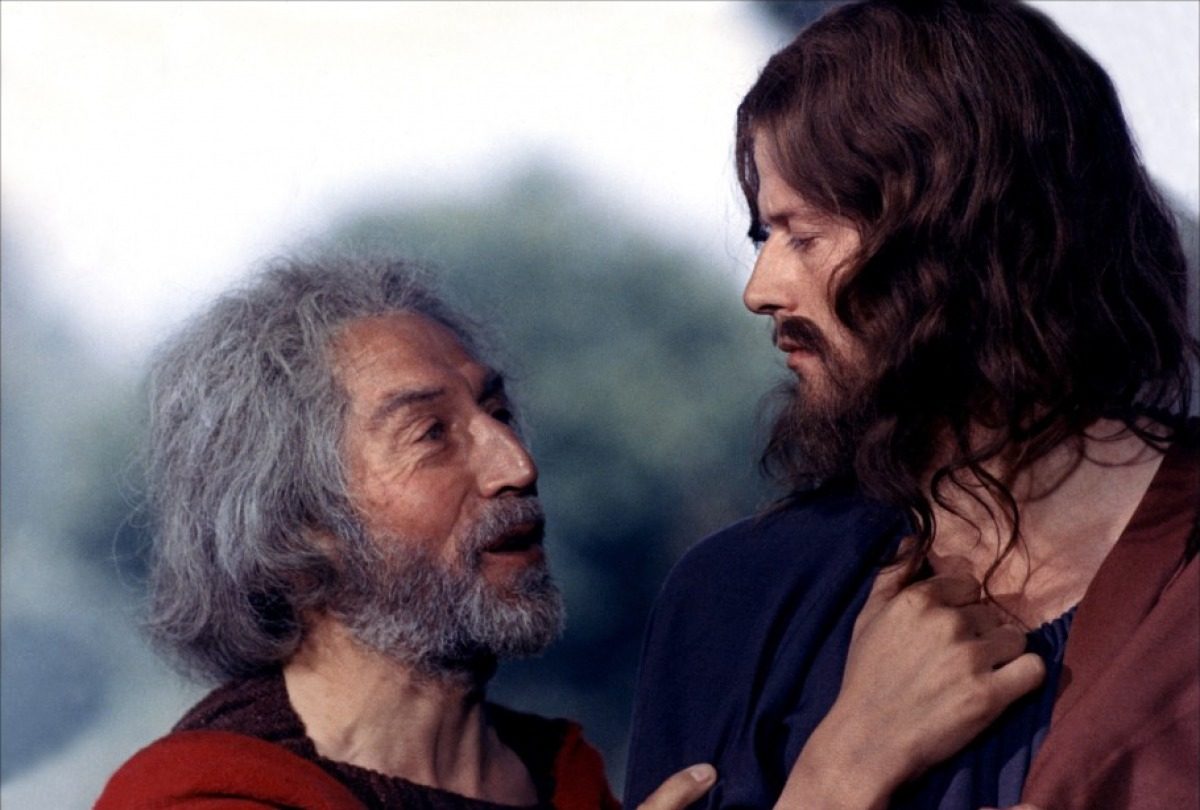
Two vagabonds Jean (Laurent Terzieff) and Pierre (Paul Frankeur) are hitching a ride from Paris to Spain as a pilgrimage to Santiago de Compostels to pray over the remains of Saint James. As the two travel by whatever methods they can get and depending on the locals for food, they seem to shift their existence in time, flashing back to biblical times, medieval times, and renaissance times to scenes confronting and examining theological texts and arguments surrounding heresy. Along the way Jean and Pierre meet up with Jesus (Bernard Verley) showing off his abilities, and the Marquis de Sade (Michel Piccoli) begins a new relationship with a young girl in chains, and also Satan (Pierre Clementi) who appears during a car crash to establish some interesting points about religion. In the end our two beggars realize some interesting new ideas about the world they inhabit.
Cast












Did you know?!Facts and trivia about The Milky Way (1969)
Can contain spoilers, watch the movie first.
- Luis Buñuel later called The Milky Way the first film in a trilogy about "the search for truth", alongside his next films The Discreet Charm of the Bourgeoisie and The Phantom of Liberty.
- The film's scenes of Christian heresies are drawn from real historical documents: the archbishop whose corpse is exhumed and publicly burned is based on Archbishop Carranza of Toledo.
- Buñuel said he put Jesus Christ in the film to show him "as an ordinary man, laughing, running, mistaking his way, preparing to shave" — traits he called completely alien to traditional iconography.
- The title comes from a popular name for the Camino de Santiago, the pilgrimage routes running from northern Europe to Santiago de Compostela in Galicia, Spain, where the remains of St. James were reputed to be buried.