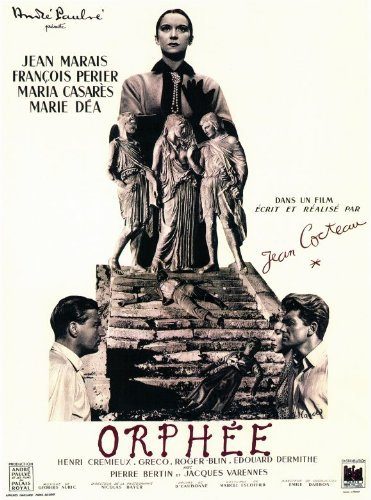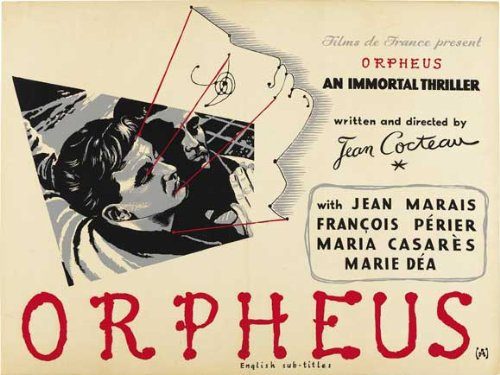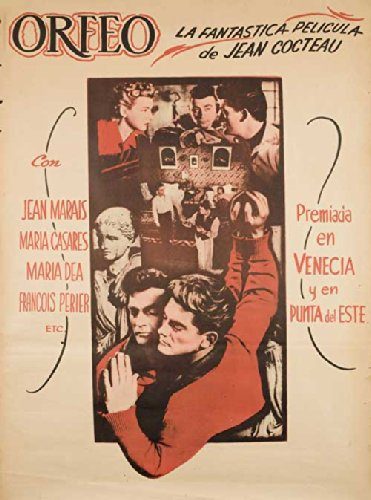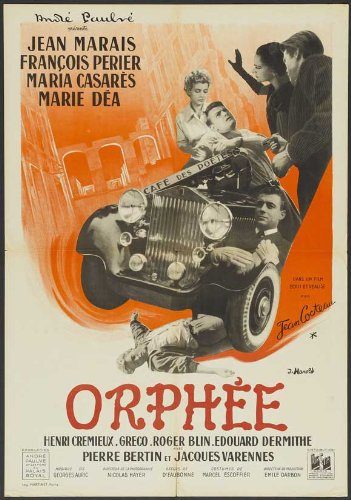
Orpheus (1950) on Netflix
NR19501h 35mDramaFantasyRomance
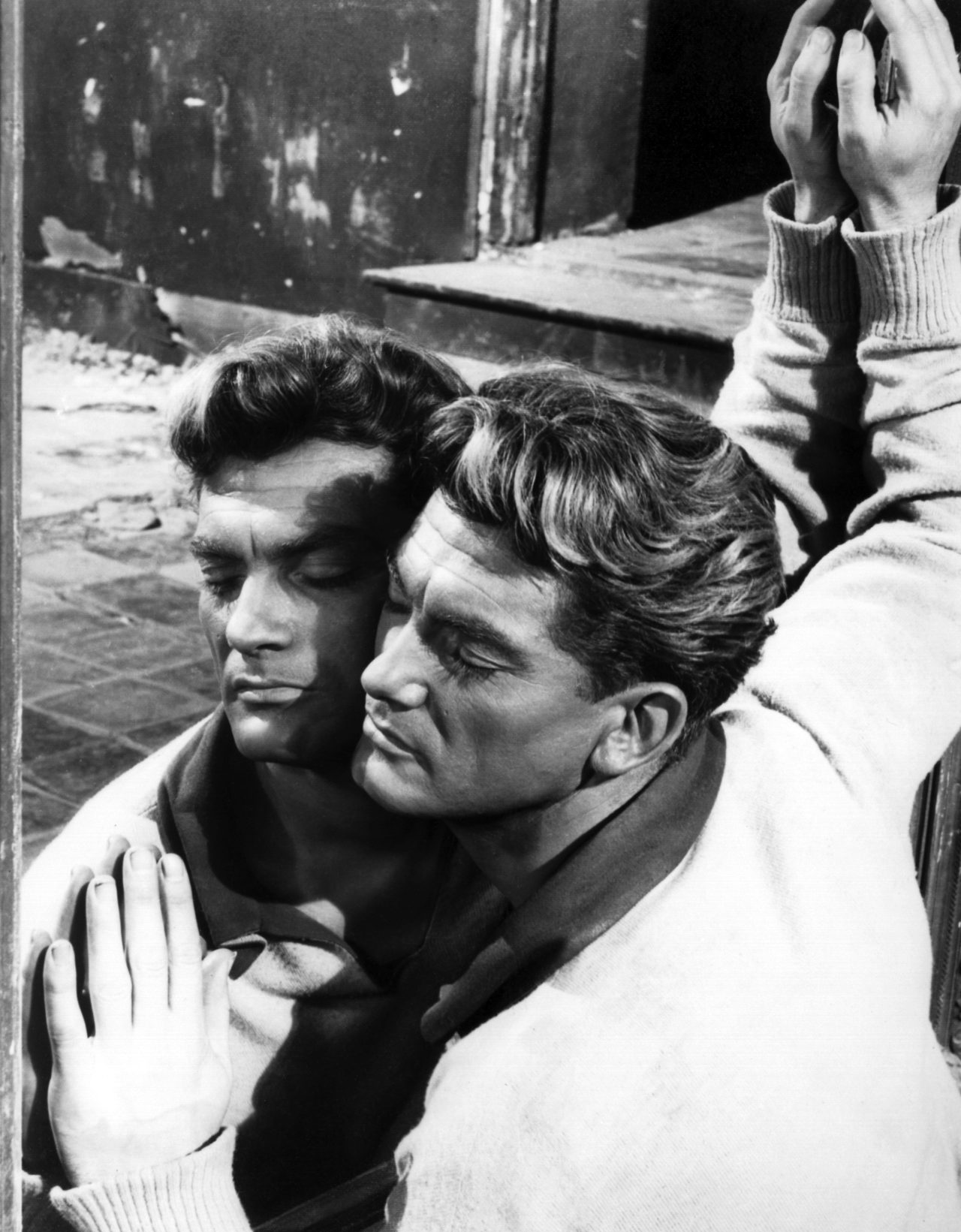
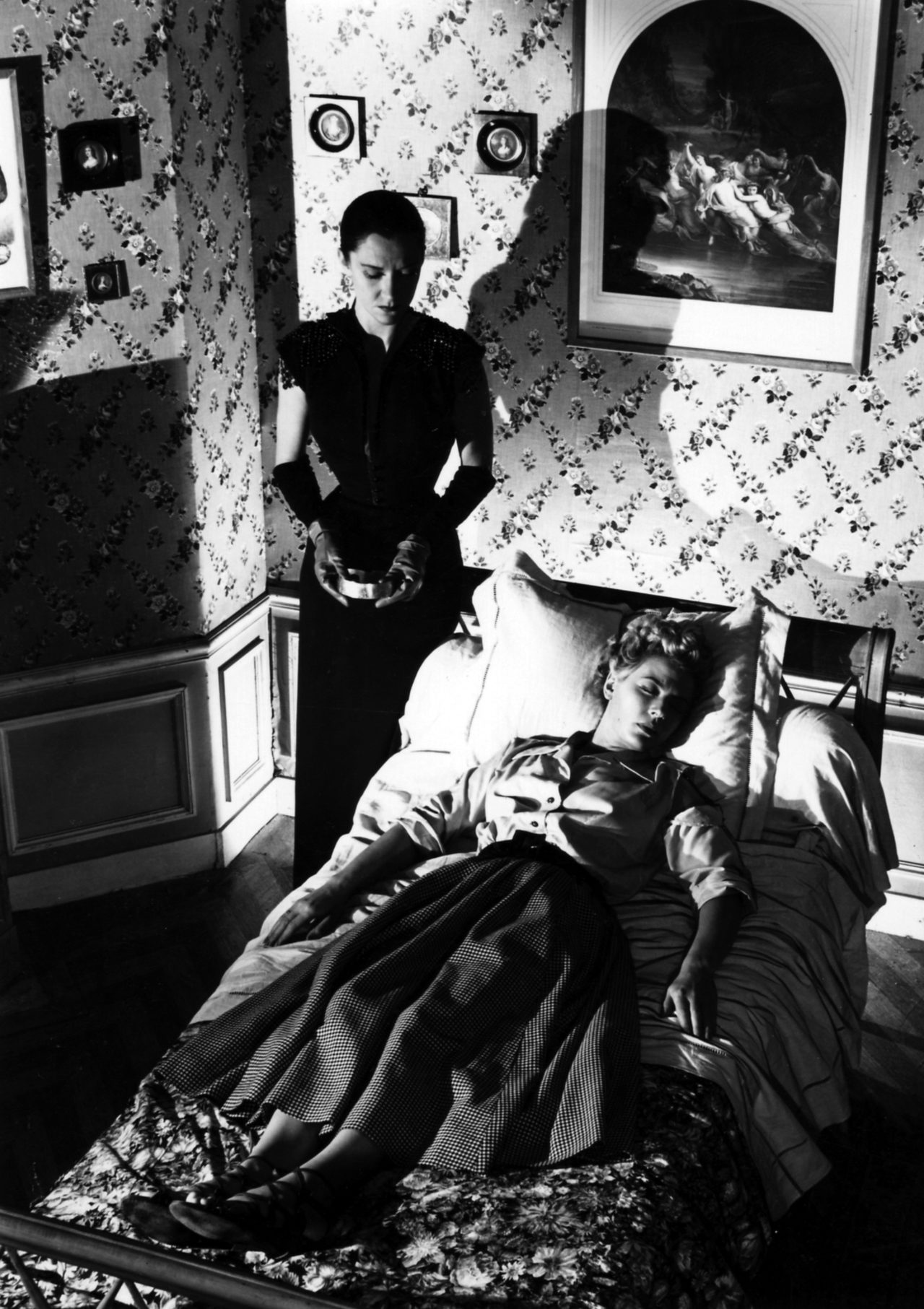
Orphée, a famous poet in postwar Paris, is drawn to a mysterious Princess and the cryptic lines that come from her car radio, while his pregnant wife Eurydice waits at home.
- Watch on NetflixThis title is not on Netflix right now. Please check back later for updates.
- Watch on NordVPN
- Netflix4.4/5
- IMDb7.8/1014,728 votes
- Rotten Tomatoes97%
Trailer

Plot summary
At the Café des Poètes, the avant-garde rejects the famous poet Orphée, while the public admires him. A drunken young poet named Cégeste starts a fight there and is struck down by two motorcycle riders outside. His patroness, known as the Princess, has the body put into her car and orders Orphée to ride with her as a witness. On the way to a ruined chateau, cryptic verse comes from the car radio, and Orphée takes it as the inspiration his writing has lacked. At the chateau the Princess brings Cégeste back to life, then vanishes with him through a mirror. Her chauffeur, Heurtebise, drives Orphée home, where his pregnant wife Eurydice is waiting to tell him her news. Orphée slips out to the garage instead, to listen to the radio in the Princess's car.
Cast









- René Wormsas Judge
- Raymond Faureas Journaliste



Show all 20 cast




- Jean-Louis Brauas Un jeune homme à la terrasse du flore





Did you know?!Facts and trivia about Orpheus (1950)
Can contain spoilers, watch the movie first.
- In his autobiography, the actor Jean-Pierre Aumont claimed that Jean Cocteau wrote Orpheus for him and his then-wife Maria Montez, but that Cocteau decided to use other actors instead.
- Locomotives passing near the ruins of the Saint-Cyr military academy, one of the film's locations, repeatedly interfered with the sound recording; during editing, Cocteau kept the whistles instead of erasing them, calling them a "natural echo of the modern world".
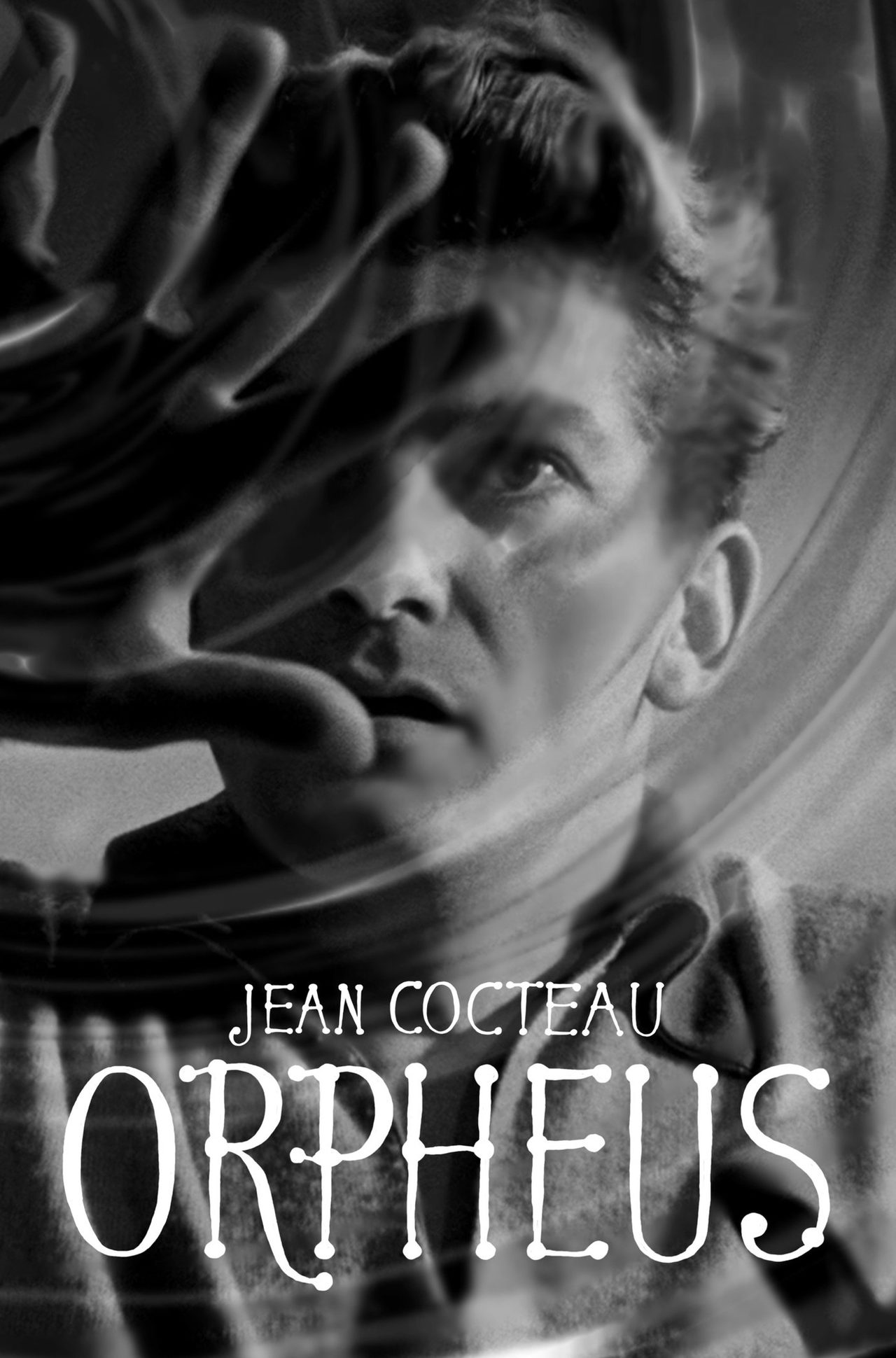
- The film's "liquid" mirrors were close-up shots of a vat of mercury, and its other effects included landscapes filmed in negative, sequences shot in reverse and characters made to appear or vanish by superimposition.
- Jean Marais wrote that Cocteau had certain sets built so that walls became floors and the ground became walls, making the actors' movement harder and restricted by gravity; the sceptical crew cheered at the screening the next day.
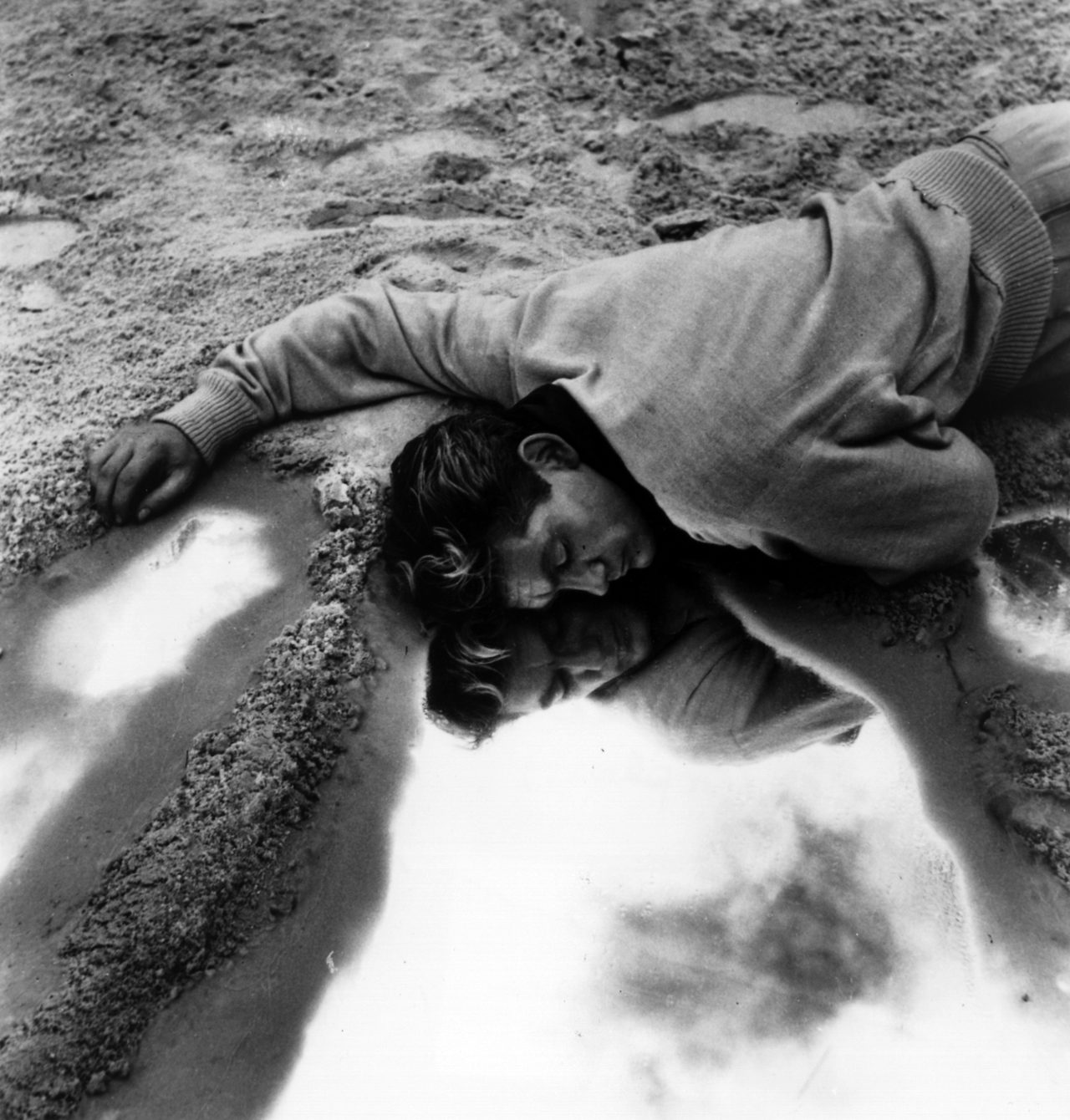
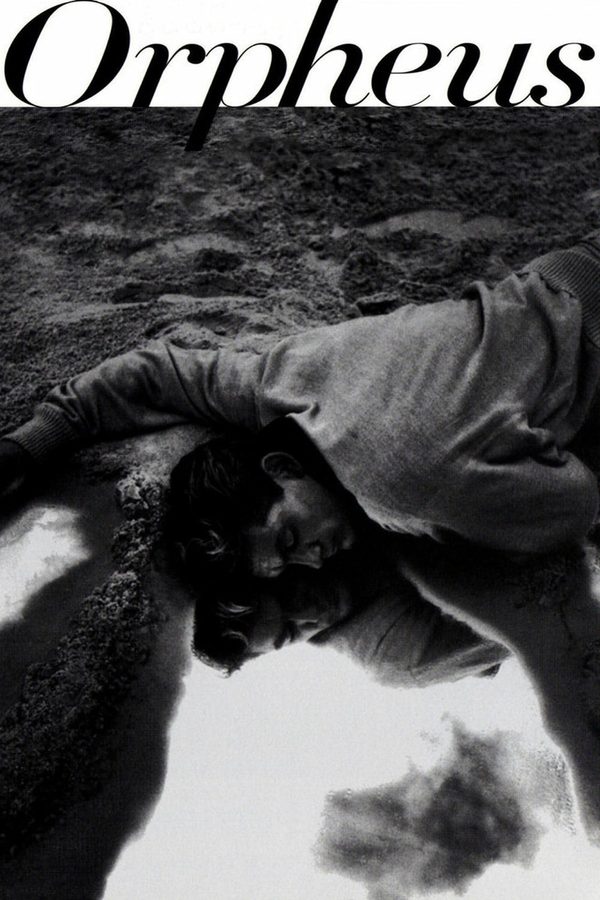
- An image from the film showing Jean Marais reflected in a pool of water was used on the record sleeve for the Smiths' single "This Charming Man".